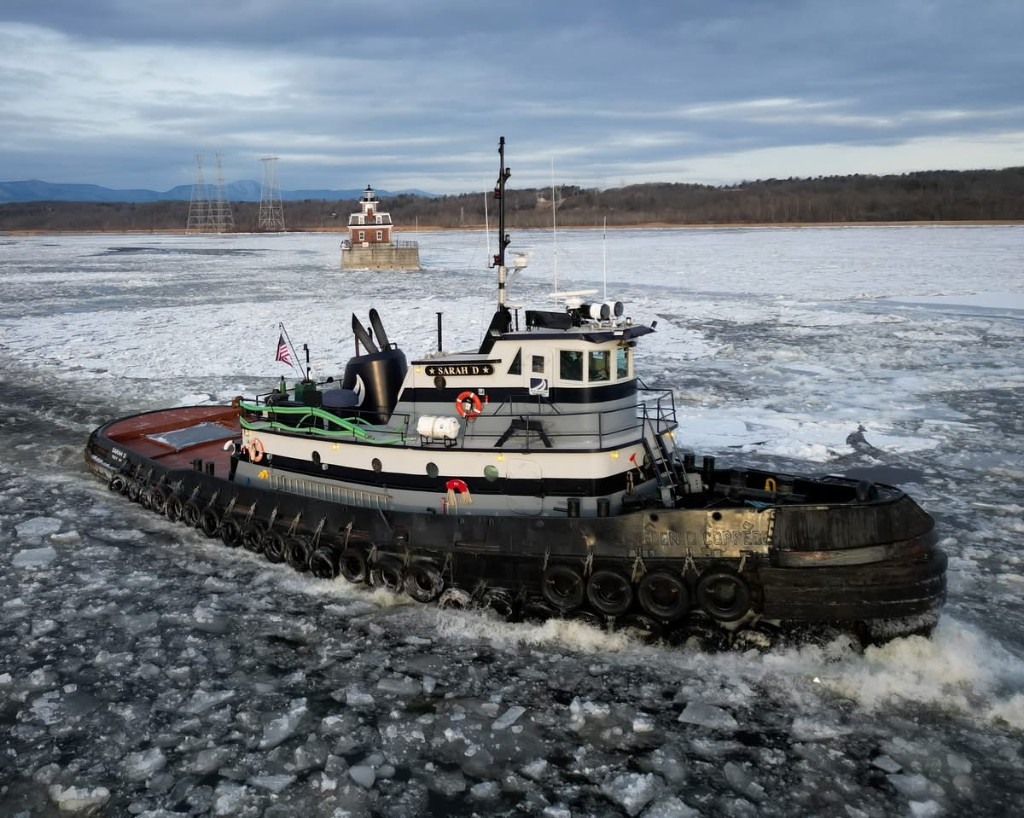
New York State Marine operates a dependable fleet of tugboats supporting safe, efficient, and environmentally responsible marine operations throughout the coastal Northeast, the Port of New York and New Jersey, Long Island Sound, and the New York State Canal System, with connections to the Great Lakes.
Our tugs are maintained to high regulatory and operational standards and are crewed by experienced mariners with extensive knowledge of local and regional waterways.
Fleet Capabilities
The NYS Marine Highway tug fleet is equipped to support a wide range of marine operations and is configured to perform reliably in demanding conditions.
Core capabilities include:
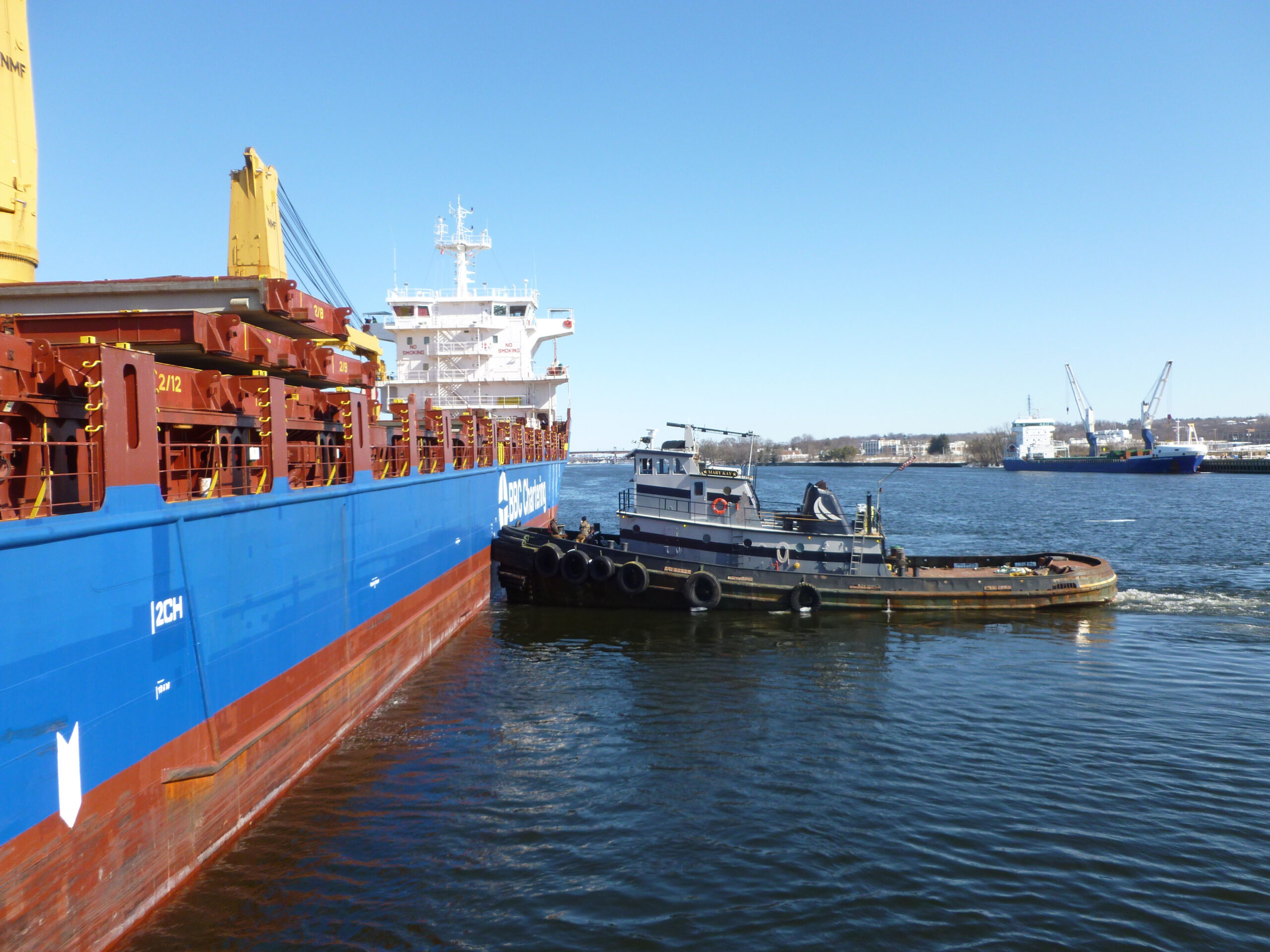
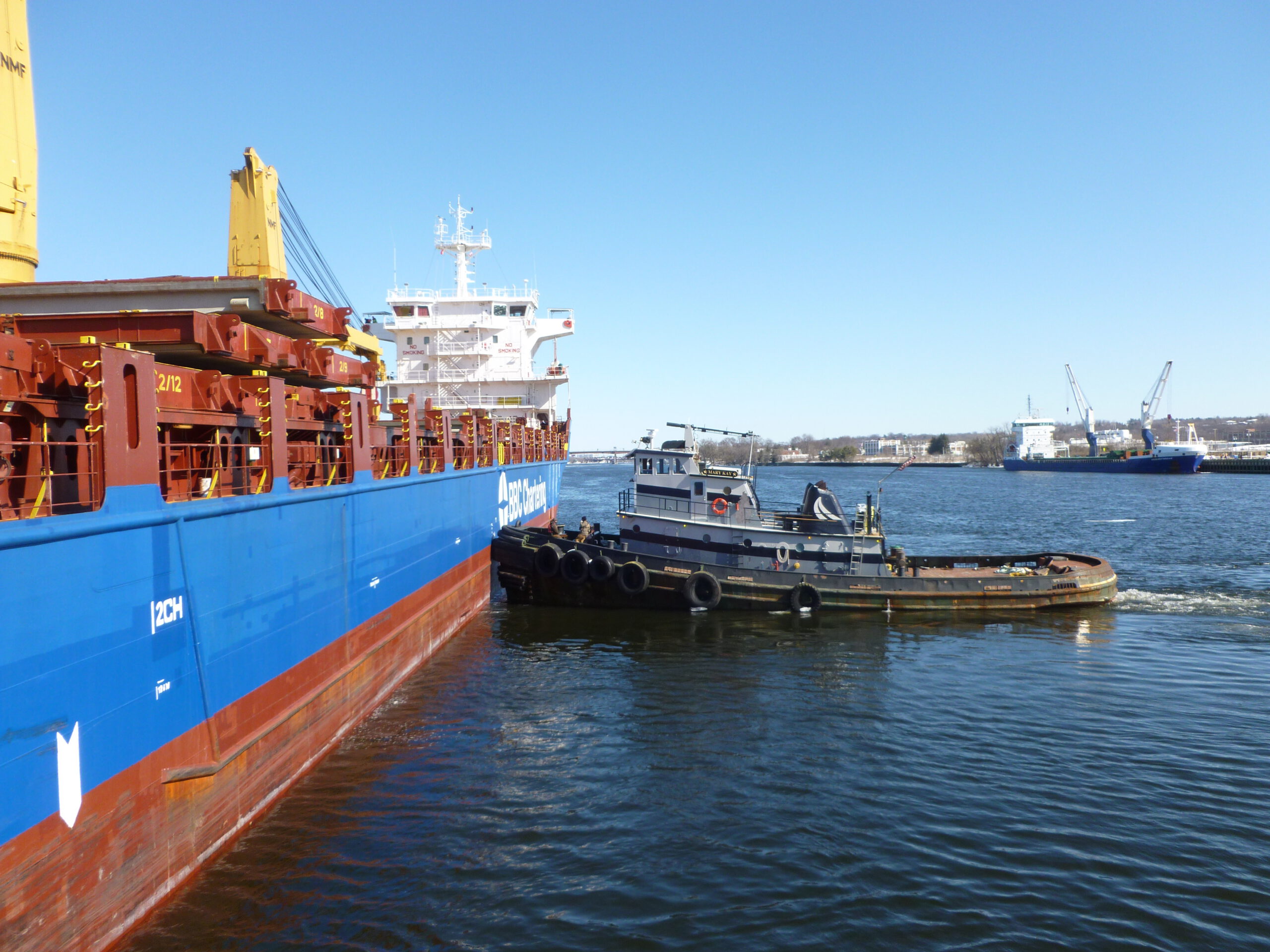
- Harbor and ship-assist services.
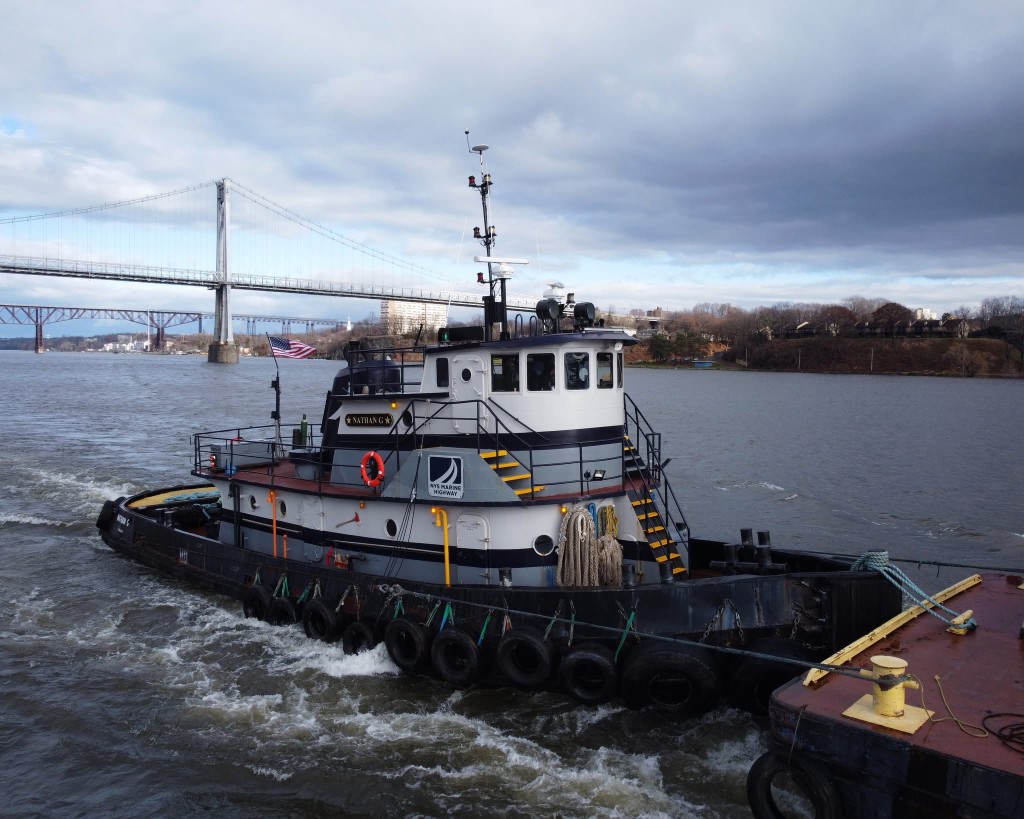
- Barge towing.
- Construction, infrastructure, and dredging support.
- Emergency response and salvage assistance.
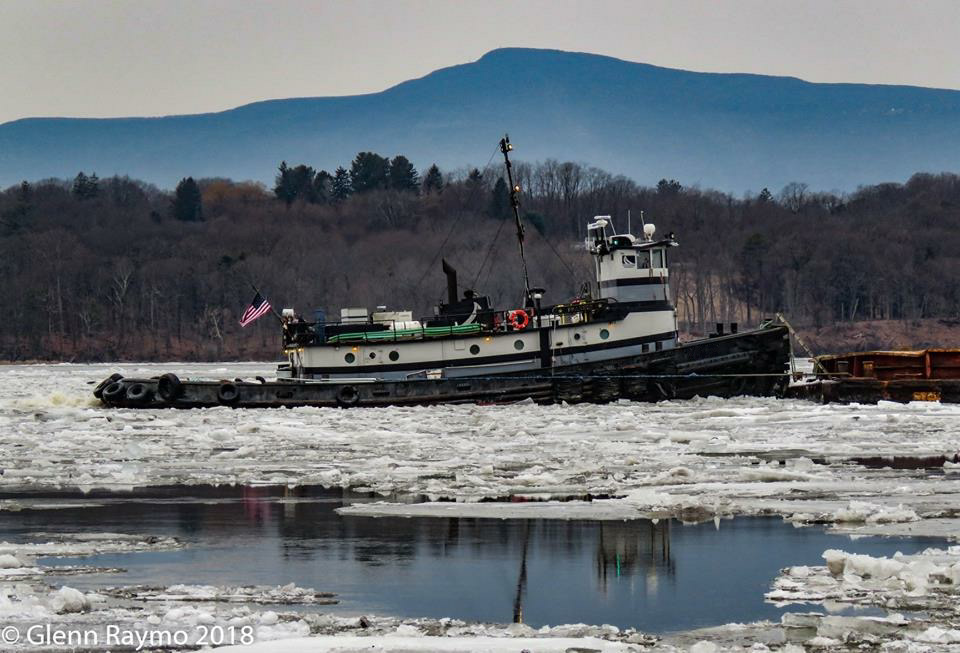
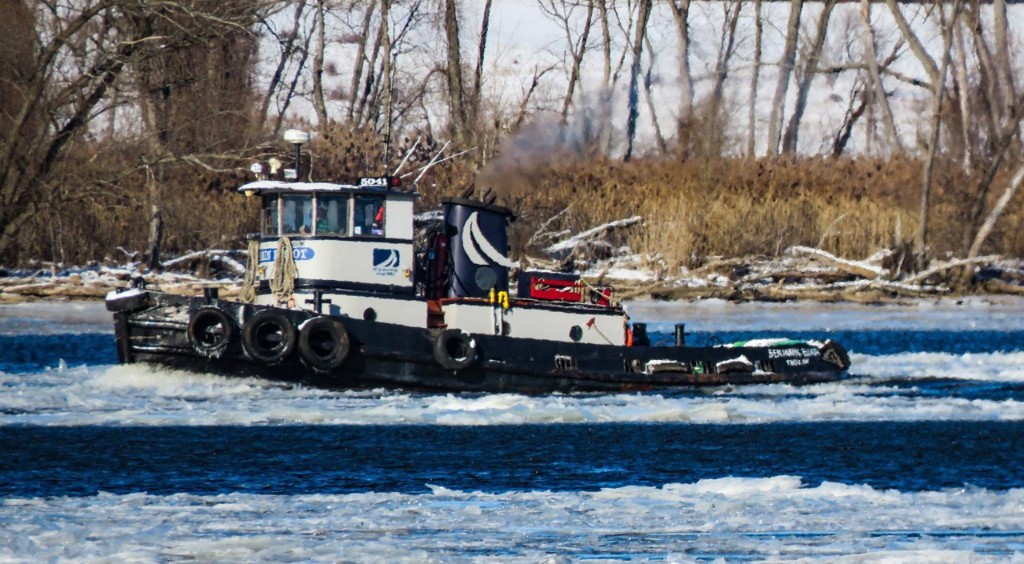
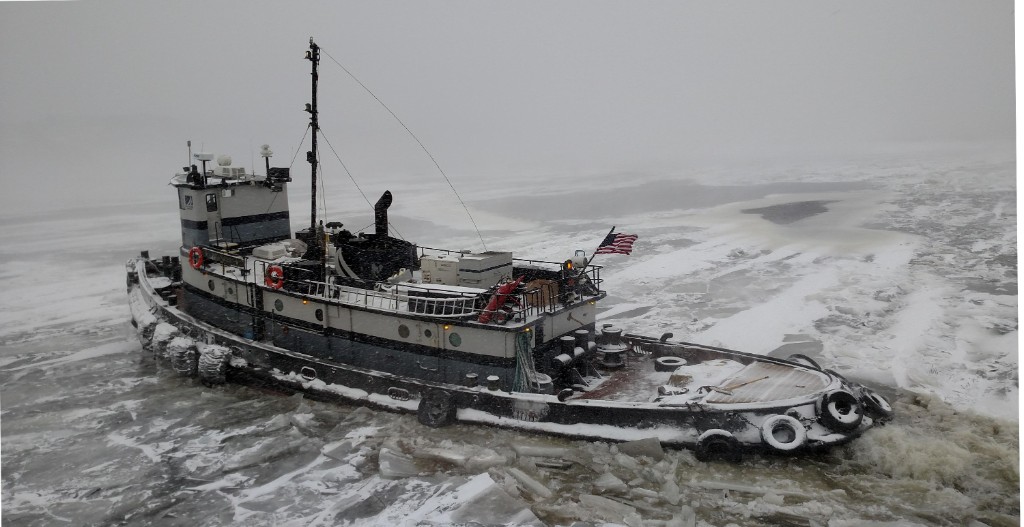
- Ice clearing and other seasonal operations.
Vessels
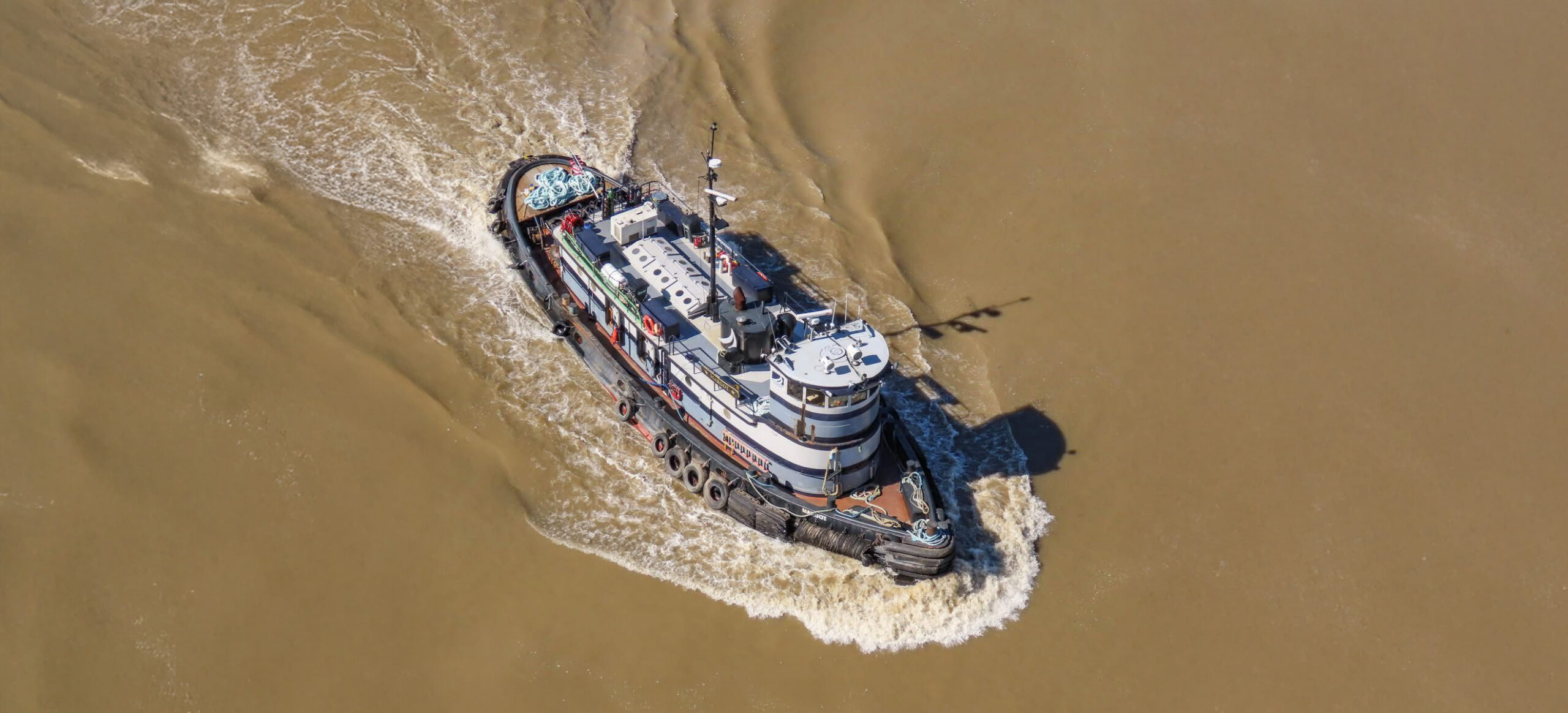
The fleet includes tugboats of varying horsepower and configurations to meet diverse operational requirements.
Common features across the fleet include:
- Powerful, dependable propulsion systems.
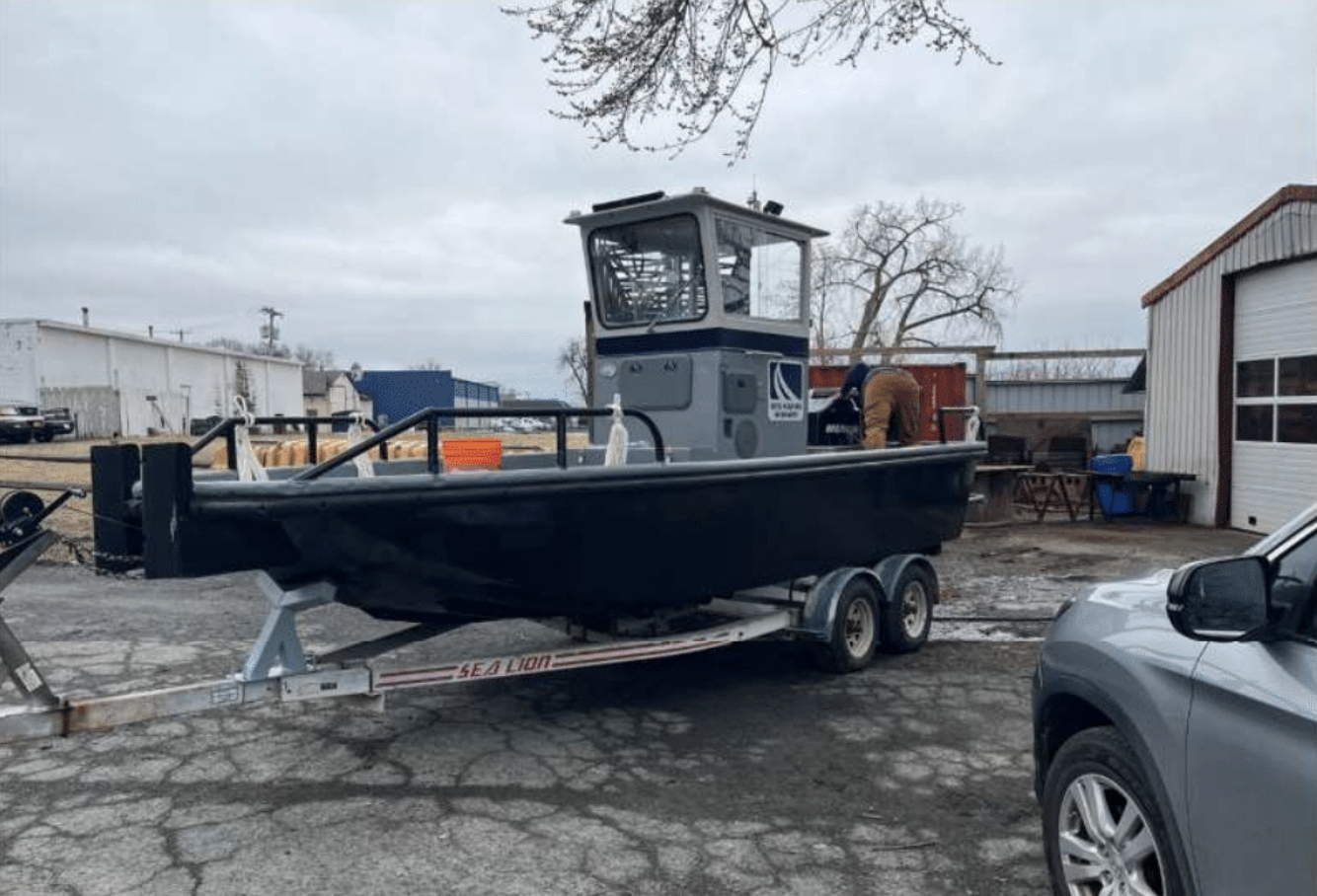
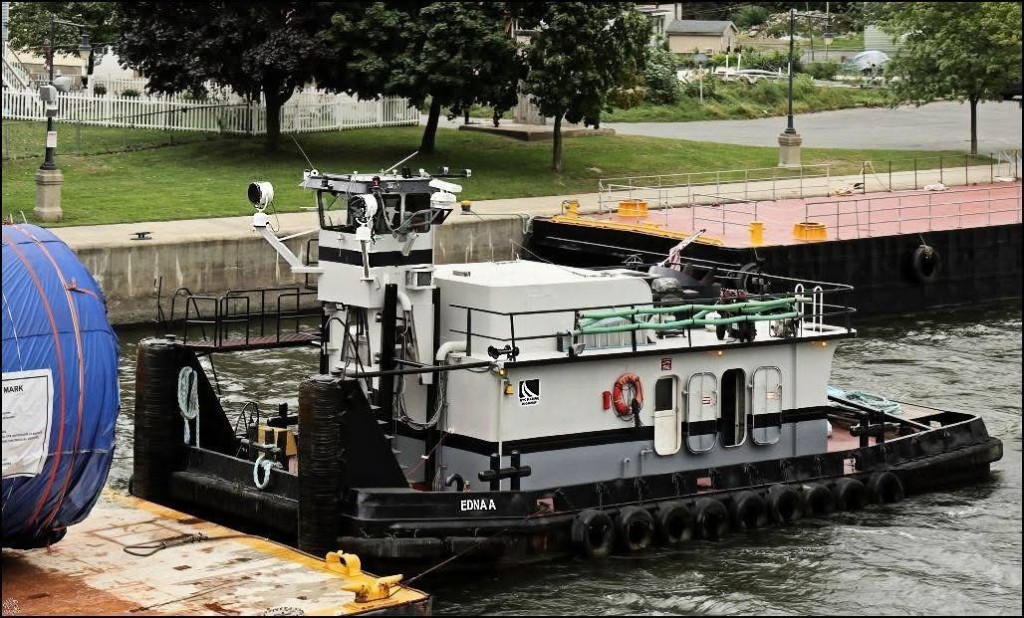
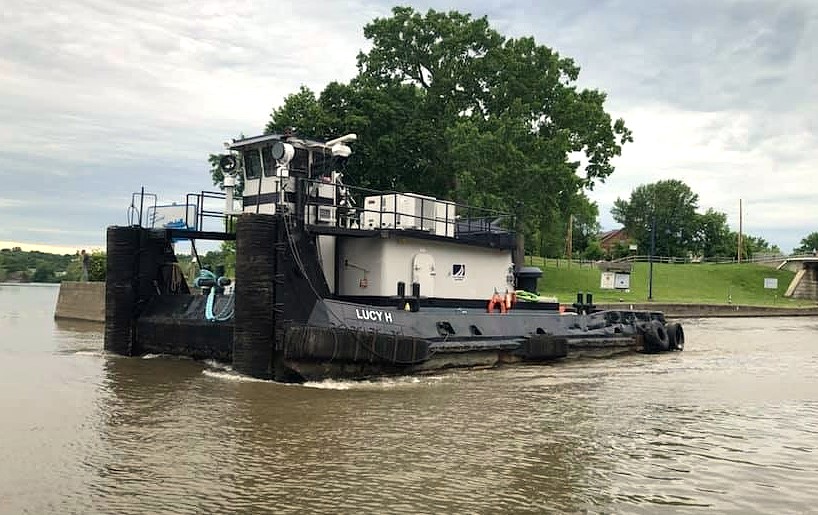
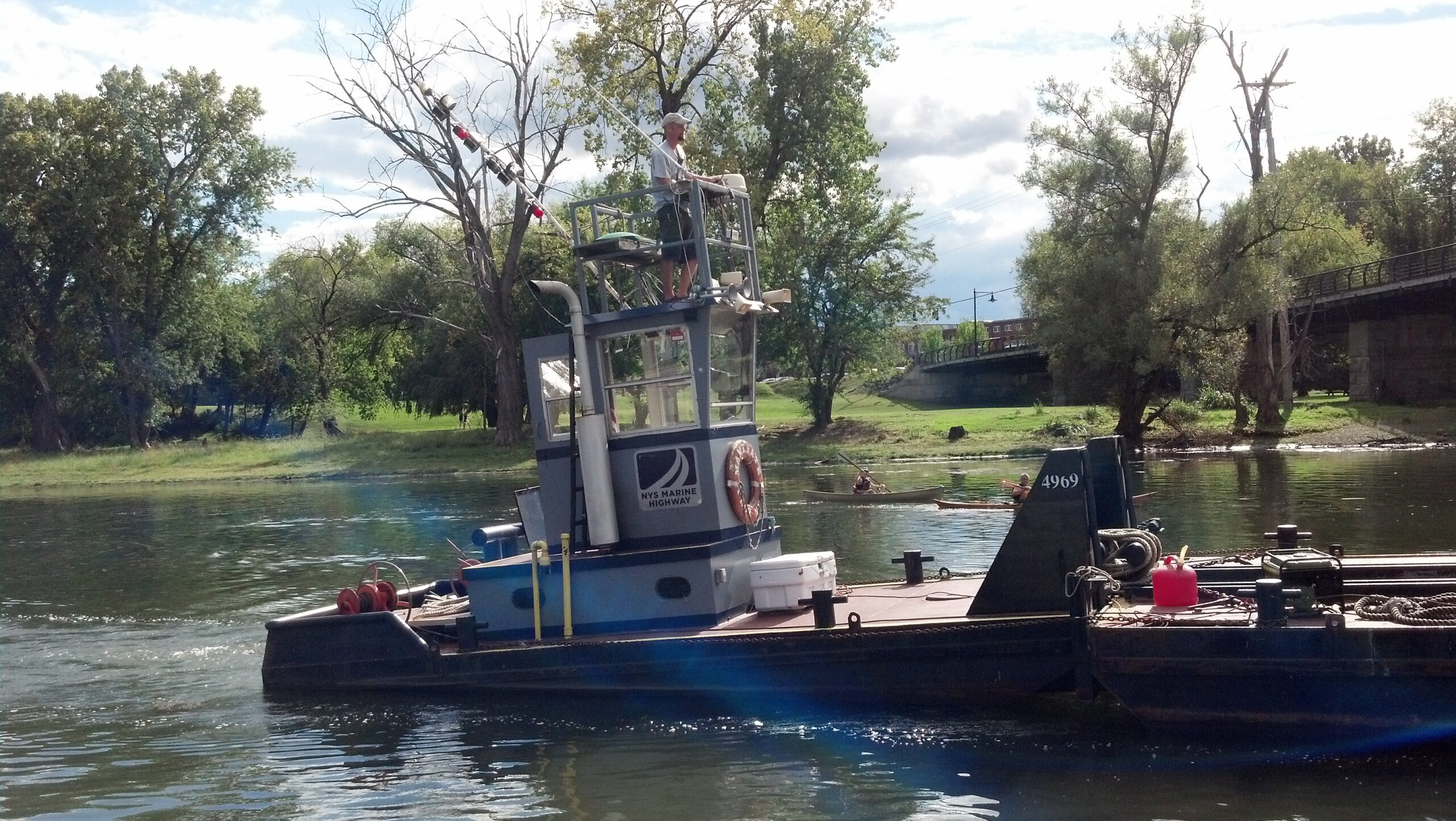
- Shallow-draft designs with telescopic wheelhouses suitable for canal navigation.
- Modern, paperless navigation systems with internet and cellular connectivity.
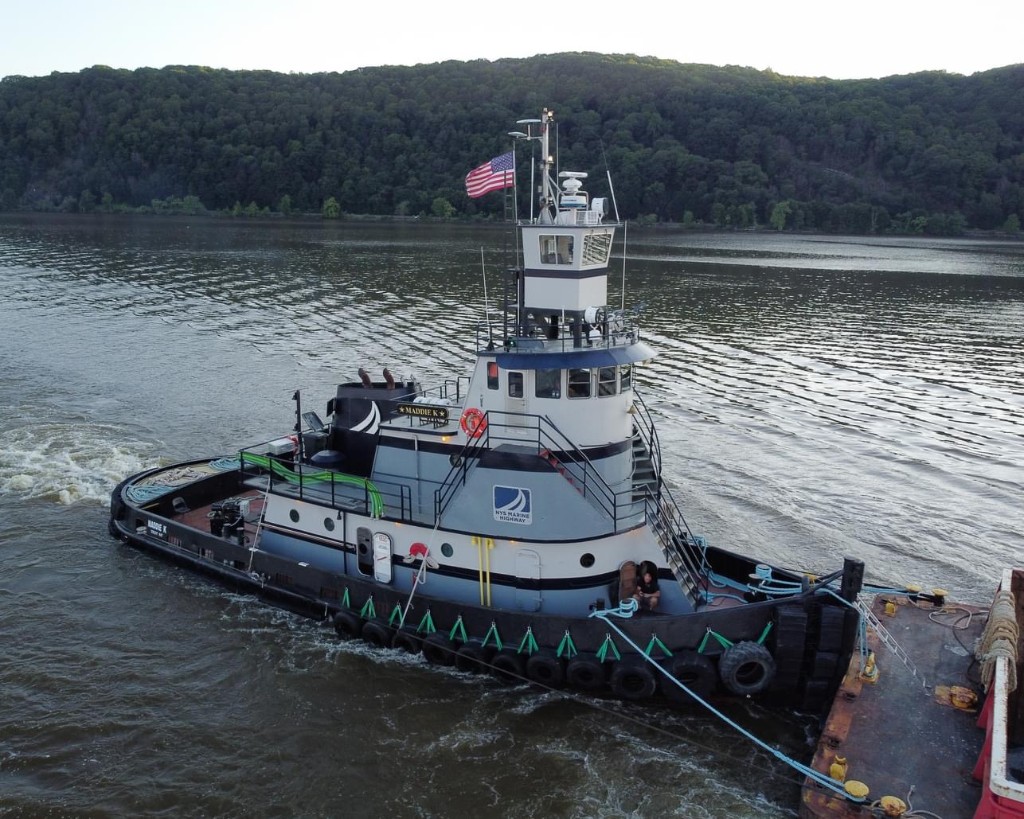
- Heavy-duty fendering and towing gear for ship-assist operations.

Versatility allows NYS Marine Highway to deploy the appropriate vessel for each assignment while maintaining operational efficiency and safety.
Horsepower Range
NYS Marine Highway operates tugboats with horsepower ratings ranging from approximately 115 horsepower to 3,200 horsepower, allowing the fleet to support a broad spectrum of operational needs. The majority of vessels fall within the 1,000 to 2,000 horsepower range, providing an optimal balance of power, maneuverability, and fuel efficiency for harbor operations, canal navigation, and regional towing assignments.
Safety and Maintenance
Safety is fundamental to all NYS Marine tug operations. Vessels follow established safety management practices and undergo routine inspections, preventative maintenance, and ongoing crew training. This disciplined approach ensures operational readiness while safeguarding personnel, infrastructure, and the environment.